
Hair Loss Solution
$130 for a 3-month supply
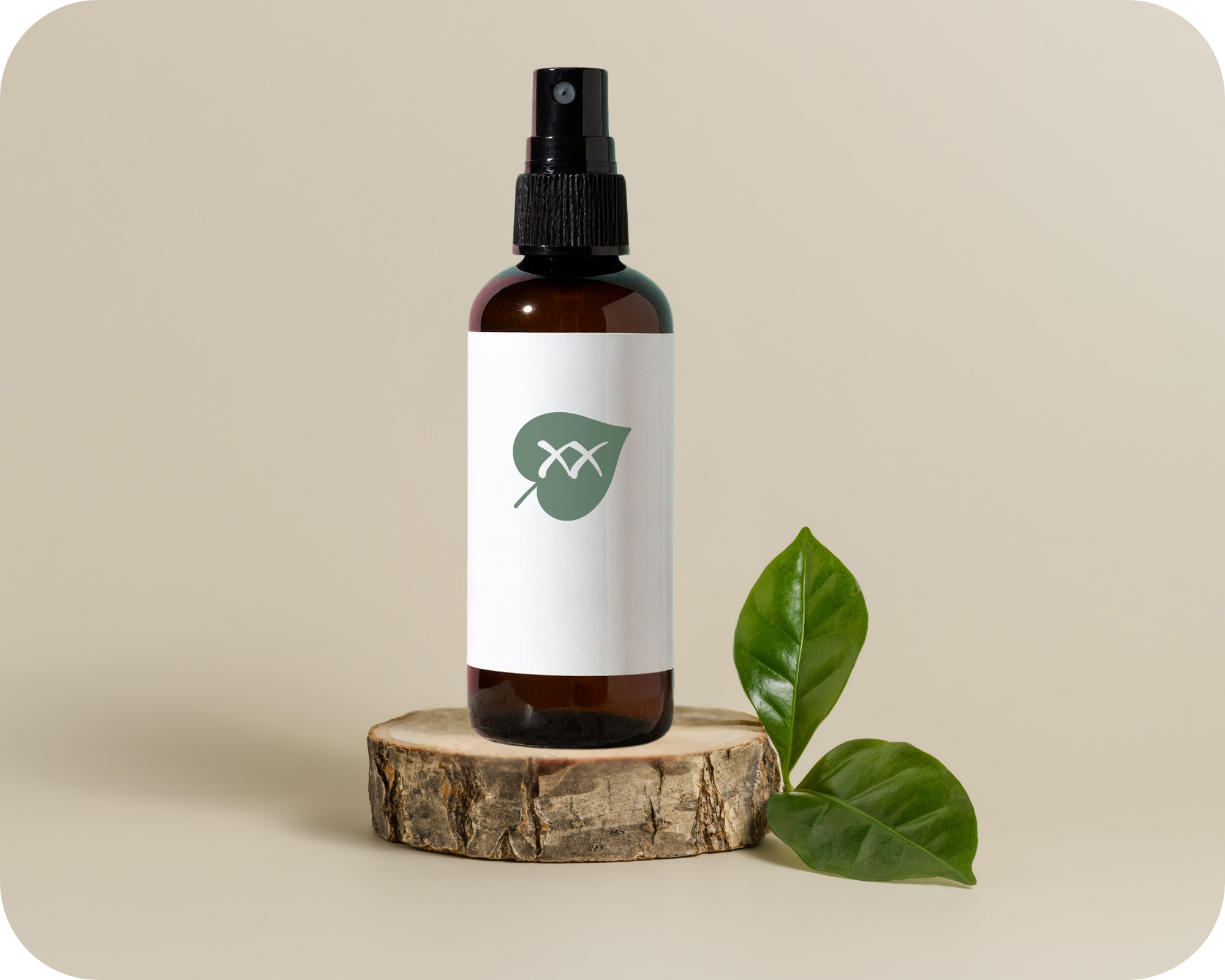
Our comprehensive topical solution combines four clinically-proven ingredients, including Minoxidil, to address the hair loss that many women experience during perimenopause and menopause.
This advanced compound targets hormonal triggers, improves scalp circulation, and extends hair growth phases, providing a more effective approach for hormonally-related hair loss than a single ingredient approach.
Applied directly to the scalp daily, most women notice visible improvements in hair thickness and density after about four months of consistent use.
Compounded drugs are permitted to be prescribed under federal law but are not FDA-approved. For more information on side effects and other safety information, see full important safety information.

Connect one-on-one with a clinician licensed in your state. Your first visit is a private video consultation.
Book nowExplore the research, understand your options, and feel confident about finding care that's right for you.
Learn more
FAQs
Yes and it is far more common than many women realize. Studies suggest that anywhere from one-third to more than half of women experience meaningful hair thinning or loss around the time of menopause, with prevalence increasing significantly with age. One study of postmenopausal women found that over 52% had female pattern hair loss. While stress is often the first explanation women are offered, the evidence points clearly to hormonal changes as a primary driver—and understanding that distinction matters, because the two require very different responses.
The hair follicle is an estrogen-sensitive tissue. Estrogen extends the active growth phase of the hair cycle and helps protect follicles from the effects of androgens like DHT. When estrogen and progesterone levels decline during the menopause transition, this protective effect diminishes. At the same time, androgen levels, while also declining, fall more slowly than estrogen, creating a relative shift in the hormonal balance that can activate follicle miniaturization on the scalp. Progesterone has its own protective role as well: it inhibits the enzyme 5-alpha-reductase, which converts testosterone into DHT. As progesterone falls, that inhibitory effect weakens. The result is not just fewer hairs, but thinner, finer ones along with changes in hair texture and manageability that many women notice before visible thinning begins.
Stress can absolutely contribute to a separate type of hair loss called telogen effluvium, which causes diffuse shedding in response to physical or emotional triggers. But female pattern hair loss driven by hormonal shifts is a distinct, progressive condition that does not resolve when stress does. If you are noticing thinning that has persisted or worsened over months, especially around the crown or part line, targeted treatment is worth discussing with your clinician.
Your hair loss spray is a compounded topical formulation that combines four active ingredients, each targeting hair loss through a different mechanism. Because this is a compounded formulation, it is not FDA-approved as a combined product, but each individual ingredient has an established evidence base. Hair restoration is a gradual process and consistent use for at least three to six months is typically needed before results can be meaningfully assessed.
Apply the spray once daily directly to the affected scalp area as directed by your prescriber. Avoid contact with your eyes, mouth, and any broken or irritated skin. After applying, wash your hands immediately and allow the product to dry fully before lying down, putting on a hat, or touching the treated area. Because the spray contains alcohol, keep it away from heat sources and open flame, and store it at room temperature in a cool, dry place out of reach of children and pets.