
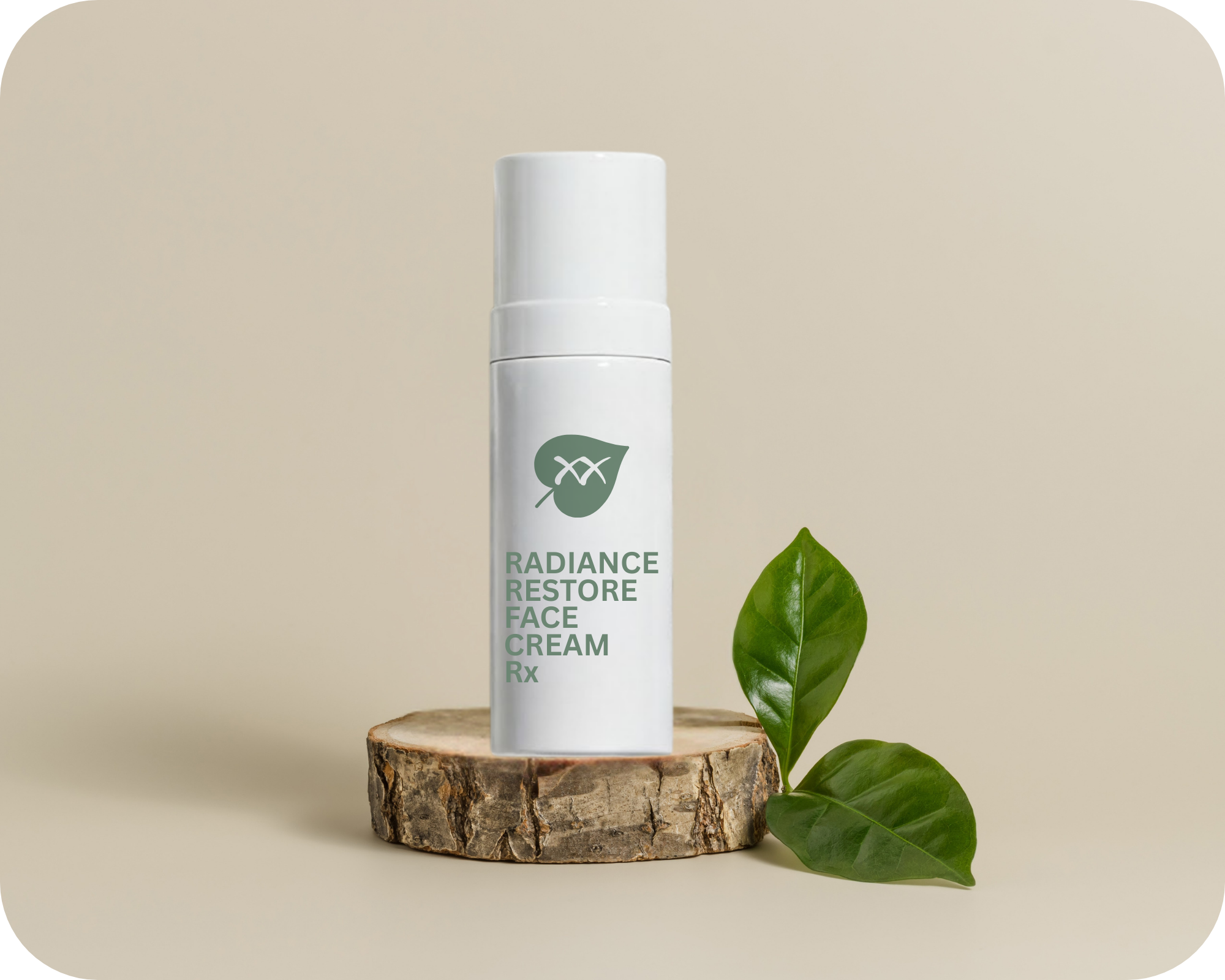
Hydroquinone Radiance Restore Face Cream
$130 for 3-month supply
This specialized brightening cream combines three powerful ingredients to address the stubborn dark spots, melasma, and uneven skin tone that often develop during perimenopause and menopause due to hormonal fluctuations. The formula features hydroquinone as the primary lightening agent to fade hyperpigmentation, enhanced with vitamin C to brighten and protect against environmental damage, and niacinamide to improve overall skin texture and minimize inflammation. This triple-action approach works more effectively than hydroquinone alone, targeting discoloration from multiple angles while being gentler on mature, hormonally-sensitive skin.
Applied nightly to problem areas, this prescription cream gradually restores a more even, luminous complexion that helps you feel confident in your skin. Most women begin seeing visible improvements in dark patches and overall skin clarity within 6-8 weeks of consistent use, with continued enhancement over several months of treatment.
Compounded drugs are permitted to be prescribed under federal law but are not FDA-approved. For more information on side effects and other safety information, see full important safety information.

Connect one-on-one with a clinician licensed in your state. Your first visit is a private video consultation.
Book nowExplore the research, understand your options, and feel confident about finding care that's right for you.
Learn more
FAQs
Most women begin to notice visible improvements in dark patches and overall skin clarity within six to eight weeks of consistent nightly use, with continued enhancement over several months. Hyperpigmentation — especially the hormonally driven kind — takes time to fade because it develops in the deeper layers of the skin and takes multiple skin cell cycles to fully clear. Results can feel gradual at first, but if you compare photos over time, most women are pleased by the change in appearance.
It is important to use the cream consistently and to pair it with a broad-spectrum SPF of 30 or higher every morning without exception. Sun exposure is the primary driver of hormonal pigmentation, and even brief unprotected exposure can re-trigger the very melanin activity the cream is working to suppress, which can undo progress quickly.
Hydroquinone has a long track record in dermatology and is considered safe and effective for treating hyperpigmentation when used as directed. Because it is a prescription ingredient at the concentration in your cream, its use is appropriately supervised. A few important precautions: apply the cream only to the affected areas, not as an all-over treatment, and avoid contact with eyes, mouth, and broken skin. If you notice significant redness, irritation, or unexpected skin changes, stop use and contact your clinician.
Most clinicians recommend using hydroquinone in treatment cycles, typically several months on, followed by a maintenance period, rather than as a permanent year-round daily treatment, to sustain results while minimizing any potential for skin sensitivity over time. Your clinician will guide you on the right approach for your skin. As a compounded prescription, this cream is not FDA-approved as a combined product, but each ingredient is well established and the formulation is prepared to clinical standards.